February Nexus Newsletter
We’ve been busy since the end of December. In this issue, we’re sharing a quick recap of what went live in late December and January, a preview of what’s coming next, and a bit more about the bigger vision we’re building toward. We’re also gearing up for a few conferences over the next couple months and would love to meet in person.
Long-term, our focus is unchanged: giving leaders a better decision-making layer on top of their existing systems, so answers are faster, clearer, and consistent across the organization.
Platform Update

Edit Your Chart Colors
Districts can now match charts to their brand colors (or any colors you want), build consistent color palettes, and keep reports/dashboards looking clean and unified.
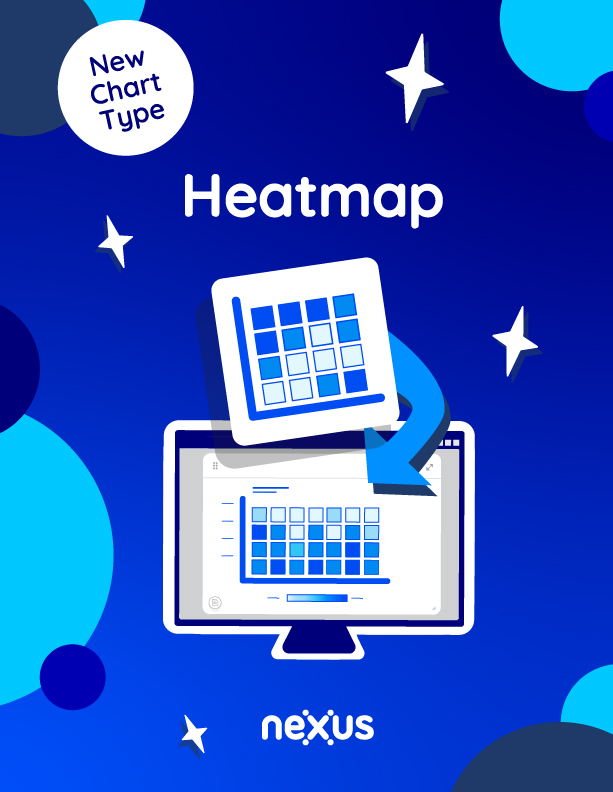
Use the new Heatmap Chart Type
When you’re scanning a ton of data, tables and other charts only get you so far. Heatmaps help you instantly see where things are heating up (or cooling down) so you can act faster.
Upcoming Events

Feb 12–14, 2026 | Nashville, TN
We’ll be at AASA’s National Conference on Education in Nashville, one of the biggest gatherings of superintendents and district leaders in the country. If you’re attending, please come find us!

March 11–13 | Louisville, KY
We’re heading to KAST’s statewide edtech Spring Conference in Louisville, Kentucky. We’ll be sharing recent product improvements, what we’re building next, and how Nexus helps districts move from scattered data to decision-ready answers that teams can trust and act on.
What's Next?
Two big things we’re working on right now.
First: Nexus Builder: a new conversational dashboard setup experience that can translate “here’s what we want to track” into a dashboard without the usual manual configuration. Second: we’re building a smarter decision layer inside Nexus that will connect the dots across your data, surface what matters most, and help teams prioritize the right actions. More to share soon.
Recent Articles

2025 In Review: The Year Nexus Stepped Into Focus
A year of impact, innovation, and real results—2025 was a breakout year for Nexus. From major product milestones to meaningful district impact, the past year was about turning vision into tools that actually help educators do their jobs better. View the highlights that defined 2025 for Nexus.

The District Office is Drowning in Data
Districts invest in data for one reason: to make better decisions. Faster decisions. More consistent decisions. Decisions they can explain and defend. But in most district offices, there’s a gap between having data and using it. Leaders hesitate, not because they don’t care, but because they don’t have a clear, trusted picture in front of them.


